An Indigenous People of the Chittagong Hill Tracts, Living in Harmony with Nature
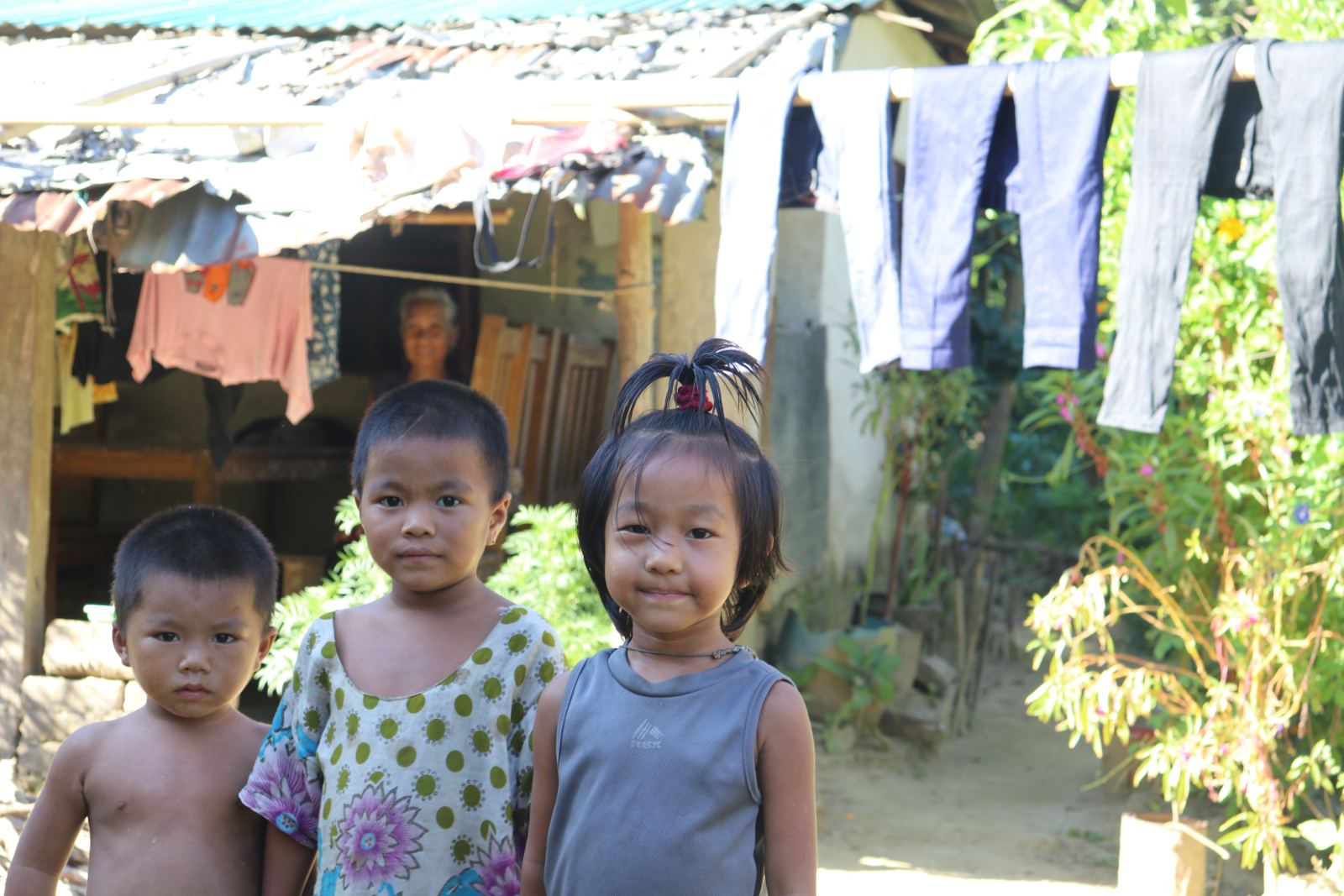
The Tanchangya (also known as Tsanchangya) are one of the indigenous ethnic communities of the Chittagong Hill Tracts of Bangladesh. Though they are a distinct ethnic group, their population size is relatively small, which has kept them less visible compared to other indigenous communities. They mainly reside in Bandarban, Rangamati and Khagrachari districts, with cultural and historical connections to Myanmar and parts of India.
The origin of the name “Tanchangya” is debated, but many researchers believe it comes from the word “Tanchang,” meaning “people who changed their settlement three times.” Oral history suggests that the community migrated multiple times before settling in the hill regions of present-day Bangladesh. They are believed to have migrated from the Arakan region (now Rakhine State, Myanmar) between the 15th and 16th centuries due to political conflicts and warfare.
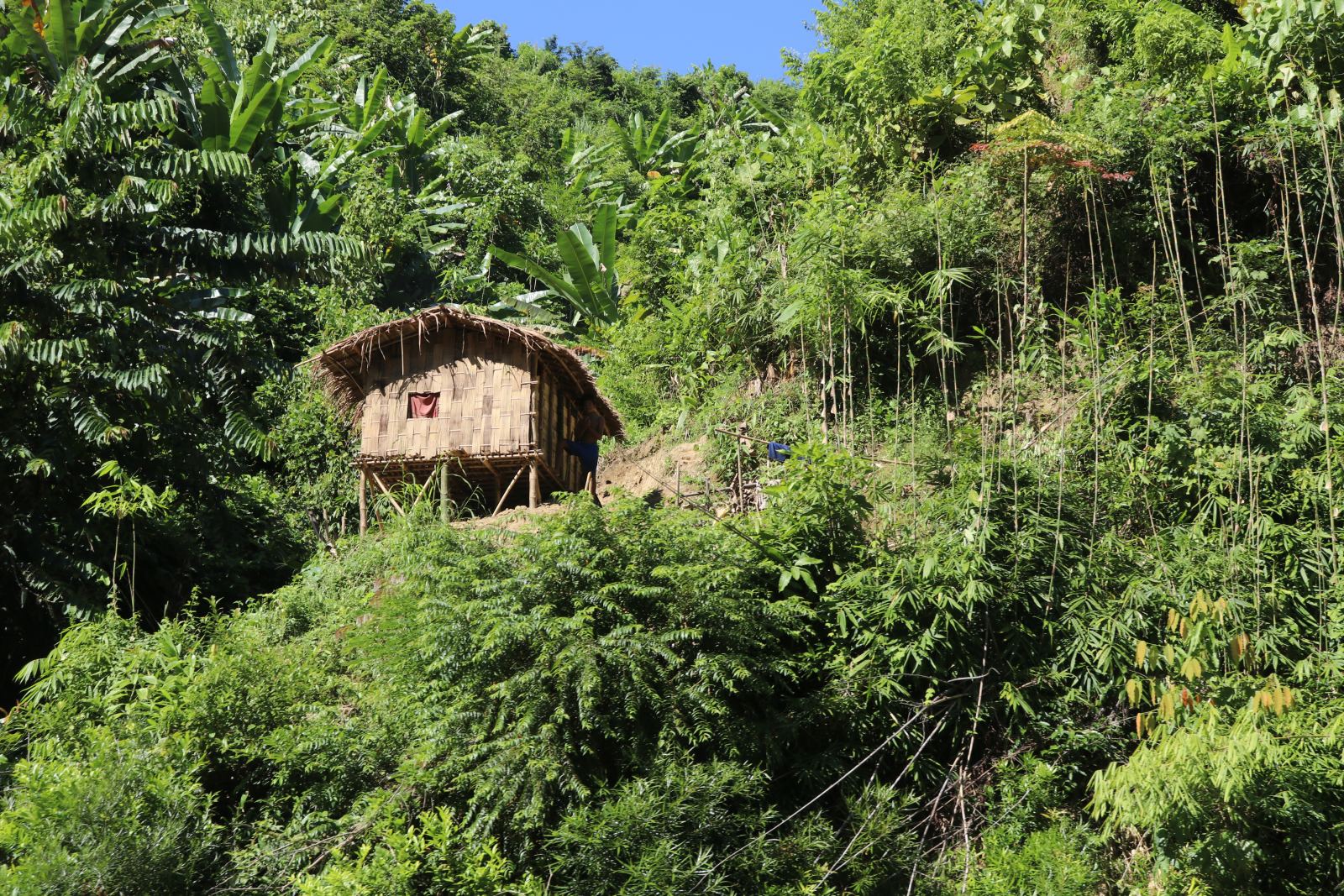
The lifestyle of the Tanchangya people is deeply connected with hills, forests and nature. Traditionally, they are dependent on agriculture, especially shifting cultivation (Jhum farming). They grow rice, maize, vegetables, ginger and turmeric. Many families also rear poultry, pigs, goats and cattle. With modernization, some members now work in government and private jobs or run small businesses.
Rice is the staple food of the Tanchangya community, accompanied by vegetables, fish and meat. Bamboo-cooked food is extremely popular, including bamboo rice and meat cooked inside bamboo stems. Local vegetables, bamboo shoots and fermented foods are commonly consumed. Traditional homemade rice wine is often prepared during festivals.